
College Housing Grants: Complete 2026 Guide
If you searched for “college housing grants” hoping there was one big national program that simply pays your dorm bill, the real answer is a little different. In practice, college housing help usually comes through regular grant aid that can be used toward the housing part of your cost of attendance, plus school-based aid, state grants, and a few special programs for students facing homelessness or transitioning from foster care. Federal Student Aid says federal aid can cover expenses such as tuition, fees, room and board, books, supplies, and transportation, and federal rules require schools to include food and housing in the cost of attendance for students enrolled at least half time.
That matters because housing is not a side expense. In 2022–23, the average total cost of attendance at a public 4-year college for an in-state student living on campus was $38,270. For a student at a private nonprofit 4-year college living on campus, it was $58,628. Even at a public 4-year school, living off campus with family averaged $26,527, which shows how much your housing choice can change your budget. In FY 2024, Federal Student Aid processed more than 17.6 million FAFSA forms and delivered about $120.8 billion in Title IV aid to more than 9.9 million students and families, which shows that the main path to housing help is still the broader financial-aid system, not a separate dorm-only grant program.
The simple truth: what “college housing grants” usually means
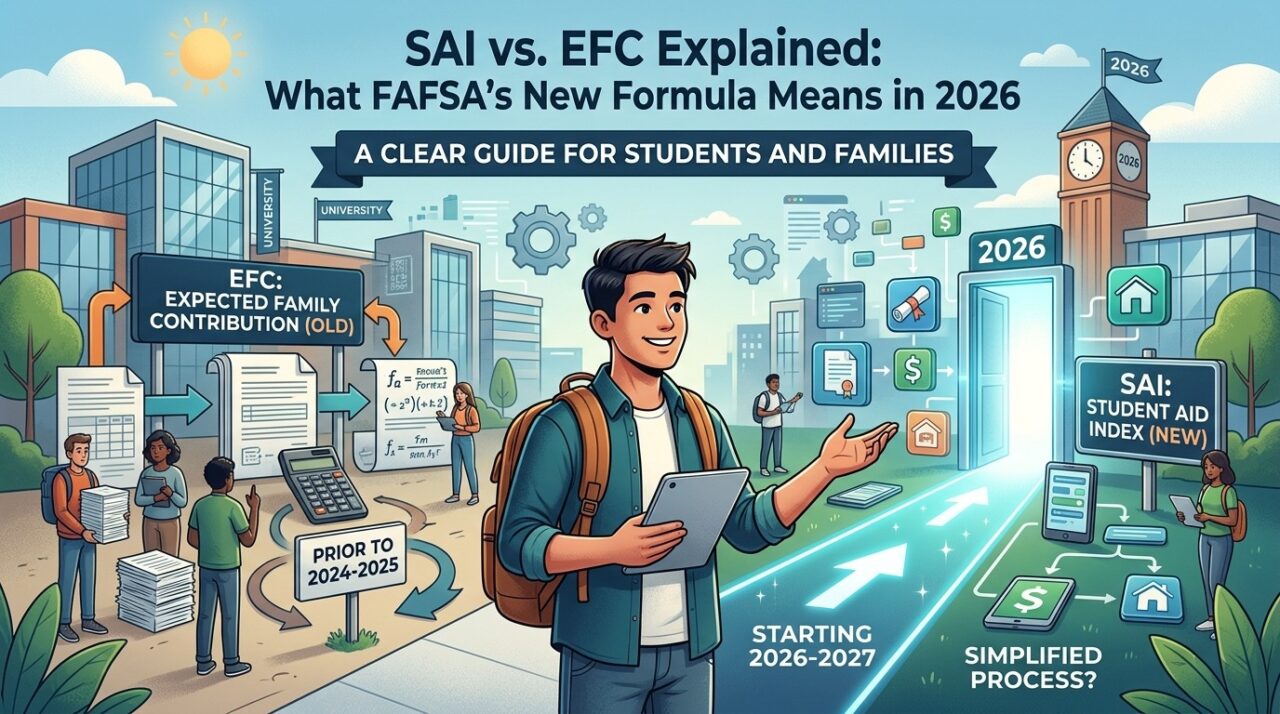
For most students, “housing grants” really means grant money that reduces the total cost of attending college so you can afford dorm charges, rent, meal plans, or basic living costs. Schools calculate aid using your cost of attendance (COA) and your Student Aid Index (SAI), and federal rules say total aid generally cannot exceed the COA. So the housing question is really a financial-aid strategy question: how much grant aid can you stack inside your school’s housing-and-food budget?
Where students actually get housing help
1) Federal Pell Grant
The Federal Pell Grant is the biggest starting point for low-income undergraduates. For the 2026–27 award year, the maximum Pell Grant is $7,395. Some students can also receive up to 150% of their annual Pell amount through “year-round Pell” if they attend an extra term, such as summer, which can be especially helpful for students trying to stay housed year-round. Start here: Federal Pell Grant guide.
2) Federal Supplemental Educational Opportunity Grant (FSEOG)
The FSEOG is another federal grant for undergraduates with exceptional financial need. Awards range from $100 to $4,000, the money does not need to be repaid, and not all colleges participate. Because it is campus-based, timing matters: you apply through the FAFSA, but the school’s own funding pool can run out. Official info: FSEOG and how to apply for FSEOG.
3) State grants
State aid is one of the most underrated ways to cover housing because it lowers your overall bill and leaves less of the housing budget uncovered. Federal Student Aid notes that some states offer more than $10,000 in need-based grants, and it points students to their state higher-education agency to see whether an extra application is required. Start with state aid info.
4) Institutional grants from the college itself
A lot of the best “housing help” is actually school grant aid. Federal Student Aid emphasizes that institutional aid can drastically lower out-of-pocket cost and that students should compare net price, not sticker price. Two schools can have very different listed prices but very different grant packages, which means the more expensive school on paper can sometimes be cheaper after aid. This is why students should always run each college’s net price calculator before deciding where to live and enroll. Start with the Net Price Calculator Center and College Scorecard.
5) Federal Work-Study
Work-study is not a grant, but it is still part of the housing plan for many students. Federal Work-Study provides part-time jobs for students with financial need, and StudentAid.gov notes that some schools let students apply work-study earnings directly to billed expenses such as tuition, fees, and food and housing. Official pages: Federal Work-Study and 8 things to know about work-study.
The housing rule almost every family misses
Federal cost-of-attendance rules are a huge deal here. For students enrolled at least half time, schools must include an allowance for living expenses, including food and housing. For students living off campus, schools must use a standard allowance for rent or other housing costs. For dependent students living at home, the living-expense allowance cannot be zero. That means commuting from home does not erase housing-related budgeting from the aid formula; it usually changes the allowance amount instead.
There is also an important rule for students attending less than half time: the school may include a food-and-housing allowance in the COA for only a limited period, up to three semesters or the equivalent, with no more than two consecutive at one school. That does not mean part-time students can never get help, but it does mean part-time enrollment can shrink the housing side of the budget faster than many families expect.
What this means for high school seniors
A smart student should stop asking, “Is there a dorm grant?” and start asking these three better questions:
First: What is my school’s full cost of attendance, including food and housing?
Second: How much grant aid can I get before loans?
Third: Which housing choice gives me the best net price: on campus, off campus, or living with family?
That framing is usually what separates students who borrow too much from students who build a manageable housing plan.
If your family’s situation changed, ask for an aid adjustment
One of the most important official tools is the aid adjustment, sometimes called professional judgment. Federal Student Aid says students should contact the financial aid office if the FAFSA no longer reflects the family’s real situation because of things like job loss, income reduction, divorce, high medical expenses, death in the family, or similar financial disruptions. The school reviews the request under its own policy, and the decision is made case by case. Start here: request an aid adjustment.
This matters for housing because the problem is often not that a student has “no housing grant.” The problem is that the aid package was built on income data that no longer reflects what the family can actually afford.
Special paths for students with unstable housing or no family support
Federal Student Aid is very clear that it does not offer a separate financial-aid program specifically for homeless students. But homeless students can still receive federal aid, and homelessness can change dependency status in a way that increases aid eligibility. If a student is unaccompanied and homeless, or self-supporting and at risk of homelessness, that issue should be addressed directly on the FAFSA and with the college financial aid office. The FAFSA help page and Federal Student Aid Handbook both describe routes for documenting this status, including determinations by a financial aid administrator. Official help: FAFSA help for unaccompanied homeless students.
For students from foster care, there are additional supports. The Education and Training Voucher (ETV) Program provides grants for eligible current and former foster youth to help pay for college, career school, or training. Official information: Chafee ETV fact sheets.
Housing help can also come from HUD, not just the college aid office. HUD’s Foster Youth to Independence (FYI) program provides housing-voucher support for eligible youth leaving foster care, and HUD’s Family Unification Program (FUP) can also support eligible youth and families with inadequate housing. For youth, FUP assistance is generally limited to 36 months, with possible extension under specific rules. Official pages: HUD FYI and HUD FUP.
The 2026 action plan
Step 1: File the FAFSA early
Use the official FAFSA form. For the 2026–27 FAFSA, the federal deadline is June 30, 2027, but schools and states often use much earlier deadlines and some funding is limited. Official deadline page: FAFSA deadlines.
Step 2: Estimate before you commit
Use the Federal Student Aid Estimator to estimate Pell eligibility and other aid, then run each college’s net price calculator. Pell estimates alone are not enough; the school’s own grant policy is often the difference between “housing covered” and “housing gap.”
Step 3: Compare housing options, not just colleges
For many families, the cheapest “college” is not the cheapest living arrangement. NCES data show a big spread between on-campus and living-with-family budgets, especially at public 4-year schools. Students should compare three scenarios for each school: on-campus housing, off-campus housing, and commuting from home.
Step 4: Prioritize grants first
Federal Student Aid’s recommended order is basically this: grants and scholarships first, then work-study, then loans. That is exactly the right order for housing planning too, because rent is hard enough without adding unnecessary debt.
Step 5: Appeal if the numbers are outdated
If the family’s finances changed, ask for an aid adjustment immediately. The earlier you do it, the better the chance the school can revise the package before housing bills hit.
Best official links to use
Bottom line
There usually is not one magic program officially named “college housing grants.” The real path is to maximize grant aid, make sure your school’s housing-and-food allowance is being counted correctly, compare colleges by net price, and use special routes if you are dealing with homelessness, foster-care transition, or a sudden family income change. Students who understand that housing is part of the financial-aid formula, not a separate afterthought, usually make much stronger college choices.
FAQ
Can Pell Grant money be used for housing?
Yes. Pell Grant funds can be used for school-related expenses, and federal aid covers costs such as room and board within the school’s cost of attendance.
Is there a federal program literally called a “college housing grant”?
Usually no. Students typically cover housing through general grant aid, state aid, institutional aid, and special programs for certain populations rather than through one separate national dorm grant. This is an inference from how federal aid and cost of attendance are structured.
Can living at home still count in financial aid?
Yes. For dependent students living with parents, the living-expense allowance cannot be zero.
What if I do not have stable housing?
Use the FAFSA’s homelessness-related help, contact the college financial aid office, and ask whether a financial aid administrator can review your situation.
What is the first thing I should do today?
Complete the FAFSA, run each college’s net price calculator, and compare your aid offers using the housing option you are actually likely to use.